
How to Purchase Quality Kids’ Toys Using E-Commerce Platforms
Introduction
Online shopping in Sri Lanka is gaining popularity every day. Parents now buy a wide range of kids’ toys online, including dolls, puzzles, building blocks, soft toys, educational toys, RC cars, and even rechargeable kids’ jeeps. They also shop for many other products like men’s and women’s fashion, shoes, watches, and electronic gadgets from the same platforms.
Shopping for toys online is fast, easy, and convenient. Parents don’t need to visit many physical shops to find what they want; they can check hundreds of options with just a few clicks. However, not all online toys are safe or high-quality. Some may break quickly, contain harmful chemicals, or arrive looking very different from the photos shown. Because these toys are for children, quality and safety are very important.
This blog will guide you step by step on how to select and purchase quality kids’ toys using e-commerce platforms. By following these tips, you can make sure your child gets toys that are safe, fun, and long-lasting.
1. Check Product Descriptions and Details
When buying toys online, the first thing to check is the product description. A good e-commerce platform will always provide clear and detailed information. Look for details such as:
- Age recommendation → Some toys are only safe for children above 3 years, while others are designed for toddlers.
- Material → Toys made from non-toxic plastic, wood, or fabric are safer than low-quality plastic.
- Size → Always check toy size before ordering. Sometimes pictures look bigger, but the real toy may be very small.
 Example: If you are buying a toy car for a toddler, the description should clearly say “safe for ages 2+” and mention the material (non-toxic plastic). If these details are missing, the seller may not be trustworthy.
2. Look for Safety Certifications and Standards
Safety should always come first when choosing kids’ toys. Reputable brands and e-commerce platforms usually mention safety certifications or standards that their toys meet. These include guarantees that toys are free from harmful chemicals, sharp edges, or small parts that children can swallow.
Example: Educational building blocks should mention that they are BPA-free or non-toxic, which means the plastic is safe for children. If you do not see these details, it’s better to choose another seller.
3. Read Customer Reviews and Ratings
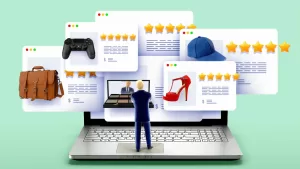
One of the biggest benefits of online shopping is that you can read customer reviews before buying. Other parents often share whether the toy was strong, safe, or exactly as described.
- A toy with many positive reviews and 4–5 stars is usually of good quality.
- Be careful if you see many negative comments about breakage, poor material, or unsafe design.
- Always check if customers mention the toy being different from the pictures, as this is a common problem with low-quality sellers.
Example: If you are buying a rechargeable kids’ jeep, check reviews to see if parents mention battery life, safety, and durability.
4. Choose Verified Sellers or Trusted Platforms
Not all online sellers are the same. Some sell genuine toys, while others may sell fake or poor-quality products. That’s why it’s important to buy only from verified sellers or well-known platforms that check their sellers carefully.
- Verified sellers usually display a badge or mark showing they are trusted.
- Trusted e-commerce platforms also ensure that sellers follow rules for product quality and delivery.
Example: If you are buying branded LEGO building blocks, always buy from a verified seller instead of an unknown shop offering a very low price.
5. Compare Prices Across Platforms
The same toy may be sold at different prices on different websites. While it is good to save money, the cheapest option is not always the best.
When comparing prices, look at:
- Product cost
- Delivery charges
- Warranty or guarantee
- After-sales service
Example: One website may sell a toy car for LKR 4,500 with free delivery, while another may sell it for LKR 4,000 but charge LKR 700 for delivery. In this case, the first option is actually cheaper and better.
6. Check Return and Refund Policies
Even if you choose carefully, sometimes a toy may arrive broken, the wrong size, or completely different from the description. That’s why you should always check the return and refund policy before buying.
- Good platforms allow easy returns within 7–14 days.
- Refunds or replacements should be quick and simple.
- Avoid websites with “No Return, No Refund” policies, as this shows poor customer service.
Example: If you buy an electronic toy that doesn’t work, you should be able to return it easily without losing your money.
7. Look for Educational and Durable Options
When buying toys, don’t just focus on fun. Look for educational toys that help your child learn new skills. Toys like puzzles, building blocks, shape sorters, and activity sets improve creativity, problem-solving, and coordination.
Also, choose durable toys that last longer. Strong plastic, wooden toys, or branded items may cost a little more, but they save money in the long run because they don’t break quickly.
Example: A branded puzzle set may cost more than a cheap one, but it will last longer and give your child better learning experiences.

About author


Add comment